US Stablecoin Framework and Korea's Digital Asset Legislation - News Directory 3

US Stablecoin Framework and Korea's Digital Asset Legislation - News Directory 3

South Korea's Urgent Need to Reform Stablecoin Distribution Framework


In the rapidly evolving landscape of digital finance, the focus needs to shift from just the issuance and reserve backing of stablecoins to comprehensively understanding their circulation structure. This involves a detailed analysis of how these digital assets move through wallets, exchanges, and payment systems. This call to action was highlighted by Han Seo-hee, a legal expert in financial regulation and digital assets, at a National Assembly forum held on April 17, 2026. Han, a prominent figure from the law firm Kwangjang, emphasized the importance of addressing these challenges to ensure the proper integration of stablecoins within broader financial ecosystems.


The Need for Regulatory Advancement


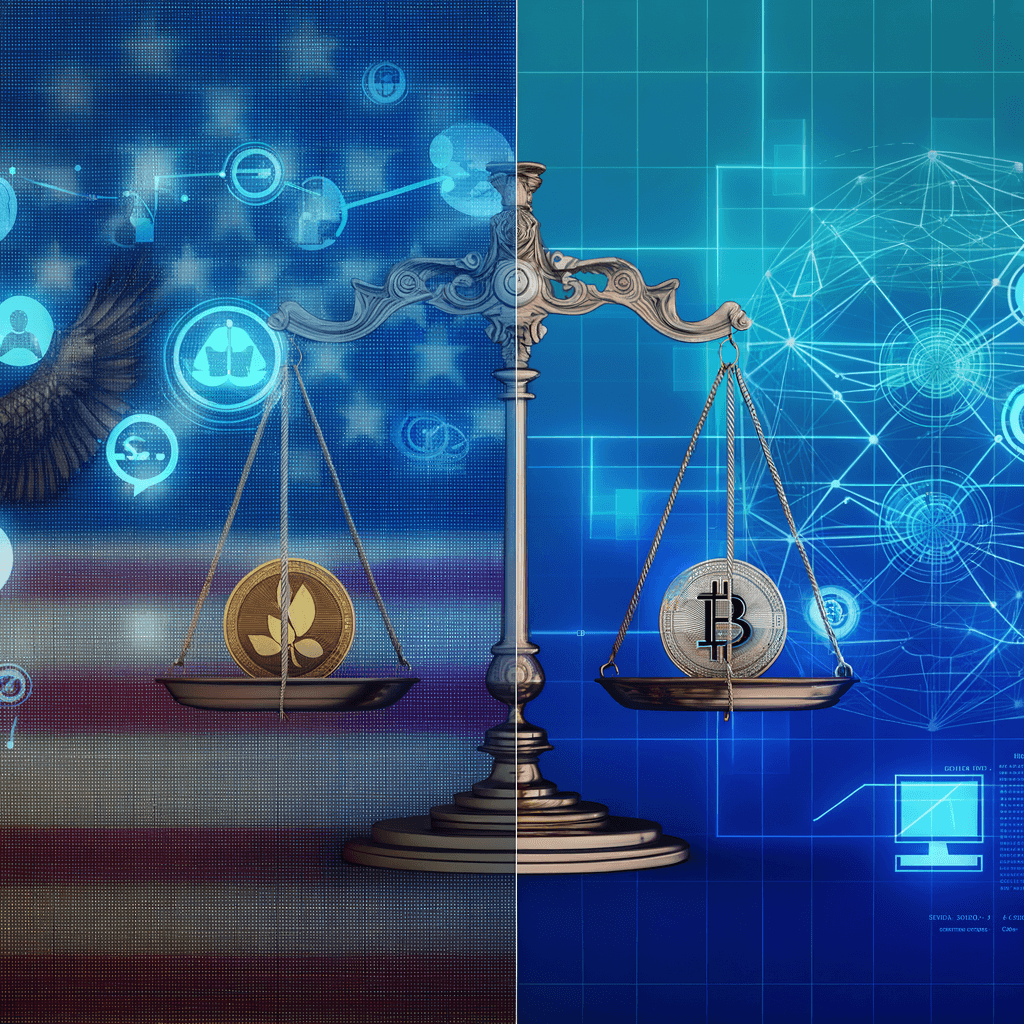
Speaking at a forum titled "U.S. Stablecoin Regulatory Framework and South Korea's Digital Asset Legislative Agenda," Han pointed out the gaps within South Korea’s regulatory approach compared to global efforts, specifically from the United States. While U.S. regulators are introducing comprehensive oversight measures for stablecoins, South Korea still needs to address the core issues related to distribution and integration. Without this focus, even a well-conceived stablecoin regime could face significant operational and compliance hurdles.


Implications of Regulatory Delays


Within South Korea, there is increasing pressure to finalize the Digital Asset Basic Act to establish a unified regulatory framework for virtual assets, including stablecoins. Introduced in 2022, the bill has seen multiple revisions yet remains pending, risking innovation moving offshore to regions with clearer regulations like Singapore and certain parts of the United States. Han cited the U.S. Regulatory model as a benchmark, observing that federal and state-level initiatives are setting standards across the entire lifecycle of stablecoins – from issuance to everyday use.


Challenges in the Fintech Sector


For South Korea's fintech sector, regulatory clarity is crucial to explore stablecoin applications beyond simple speculation. Han Seo-hee emphasized the potential for stablecoins in areas like cross-border remittances, supply chain finance, and programmable payments for SMEs. However, the current environment seems stifled due to regulatory ambiguity, not explicit bans. Sandboxes or clear exemptions are needed to facilitate real-world testing without regulatory fears, according to Han.


Interoperability and Financial Integration


Furthermore, Han underscored the necessity for stablecoin systems to interact seamlessly with existing financial infrastructures. The future success of stablecoins hinges not only on their standalone functions but also on their ability to integrate with bank accounts, payment gateways, and accounting systems. Without this interoperability, stablecoins may continue to be sidelined as niche tools rather than mainstream financial instruments.


The Industry’s Perspective


The concerns raised by Han resonate throughout the industry. The Korea Financial Telecommunications & Clearings Institute pointed out in a March 2026 report that although South Korea is at the forefront in cryptocurrency trading per capita, stablecoin usage for practical financial transactions remains limited due to unclear compliance guidelines for wallet providers and poor integration with local payment networks.


A Phased Approach to Regulation


In conclusion, Han advocated for a phased approach to stablecoin regulation. Initially, foundational standards for issuance and reserves should be set, followed by focusing on distribution, custody, and fostering use-case innovations. According to Han, waiting for regulatory perfection isn't feasible; rather, enabling responsible innovation is paramount.


The Path Ahead


As the National Assembly prepares to resume discussions on the Digital Asset Basic Act in May 2026, stablecoin regulation is expected to be a centerpiece. With no confirmed timeline for the bill's passage, stakeholders remain hopeful that forthcoming regulations will strike the right balance between fostering innovation and maintaining financial stability.


This article is built on speeches and verified sources, including the National Assembly forum transcript and reports from the Korea Financial Telecommunications & Clearings Institute.

Latest news